

Evaluating Canadian Business Directories: Data Coverage, Pricing, UX









A dependable Canadian business directory can be the difference between a scattered outreach approach and a predictable, data-driven lead generation system. As competition intensifies across Canadian markets, sales teams, marketers, and business owners increasingly rely on specialized directory platforms to fuel growth. But not all Canadian business directories deliver the same level of value. Differences in data coverage, pricing models, user experience (UX), and verification standards can dramatically influence performance.
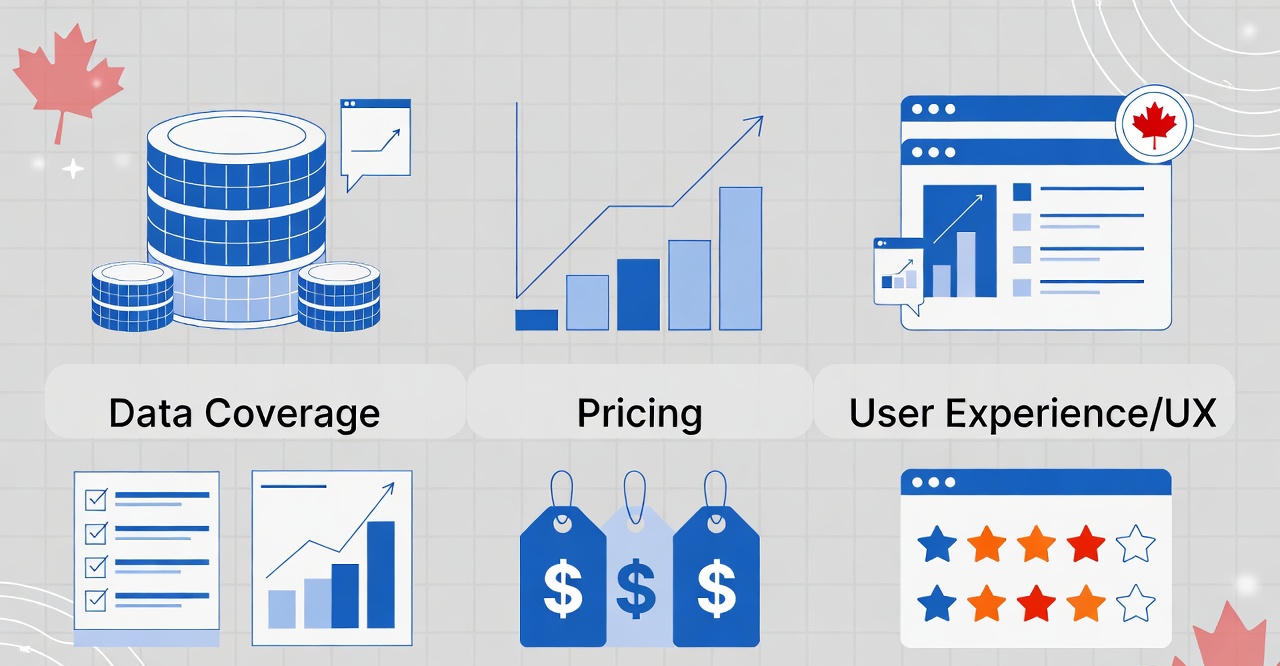
This in-depth guide breaks down what to evaluate when choosing a business directory in Canada—helping you avoid trial-and-error and select a platform that supports long-term revenue growth. Let’s explore how data quality, pricing transparency, and usability shape your results and why an advanced Canadian business directory database remains essential for competitive B2B outreach.
Understanding the Role of Canadian Business Directories in Today’s Market
The rise of complex buyer journeys and digital-first prospecting has made business intelligence more important than ever. Canadian business directories are no longer static listings—they are dynamic, continuously updated systems that include verified contact data, industry filters, company details, and search capabilities to support targeted sales campaigns.
Organizations across Canada use these platforms for:
- Identifying decision-makers
- Understanding regional markets
- Building industry-specific prospect lists
- Supporting account-based marketing (ABM)
- Validating company details before outreach
With stronger competition across verticals such as manufacturing, distribution, logistics, IT, and professional services, the need for precise, verified information grows daily. A high-quality Canadian business directory is now a foundational element of modern B2B success.
Evaluating Data Coverage: How Deep and Accurate Is the Directory?
Data depth is the defining attribute of any Canadian business directory database. Before reviewing price or design, businesses must confirm whether the platform offers the scale, accuracy, and segmentation needed to support targeted outreach strategies.
1. National Coverage Across All Provinces and Industries
A directory should include companies across:
- Ontario
- British Columbia
- Alberta
- Quebec
- The Atlantic provinces
- The Prairies and Northern territories
Full national coverage ensures you’re not limited when expanding or testing new markets.
2. Rich Firmographic and Contact Details
The strongest directories include:
- Company name and registration details
- Physical and mailing addresses
- Website and social links
- Employee size
- Year founded
- Industry classification (NAICS codes)
- Key decision-maker names
- Direct contact emails and phone numbers
This level of detail transforms outreach from broad targeting to precise engagement with decision-makers.
3. Verification Standards and Update Frequency
Accurate data requires:
- Regular validation
- Multi-step verification checks
- Removal of outdated contacts
- Email and phone confirmation
- Cross-referencing with regulatory databases
Platforms with dedicated verification teams outperform automated, unmonitored directories.
This is one of the strongest reasons professionals prefer established platforms like Scott’s Directories that invest heavily in accuracy and reliability.
Pricing Models: What Should You Expect to Pay?
Pricing across Canadian business directories varies widely depending on features, update frequency, and export rights. Understanding typical pricing models helps businesses select a solution that aligns with both their budget and performance goals.
1. Subscription-Based Access
The most common structure includes:
- Monthly or annual membership
- Unlimited searches
- Tiered access to data levels
- Options for real-time updates
Annual plans often provide the best cost-per-contact value.
2. Pay-Per-List or Pay-Per-Download
Some directories offer individual list purchases based on:
- Industry
- Location
- Company size
- Executive role
These are suited for short-term or highly targeted campaigns but become expensive at scale.
3. Hybrid Pricing
Others combine subscription access with additional fees for:
- Premium contact data
- Large data exports
- Integrations
- CRM/API access
Understanding hidden costs is critical to avoid unexpected expenses mid-campaign.
Which Approach Delivers Best Value?
For ongoing outreach, subscription-based models tend to deliver substantially better ROI, particularly if the directory offers:
- Unlimited searches
- Data exports
- Consistent updates
- Full access to verified Canadian businesses
This makes established national platforms preferable to generic or low-cost alternatives.
User Experience (UX): How Easy Is It to Find What You Need?
Even the most comprehensive Canadian business directory database loses its value if users struggle to navigate it. A productive directory should reduce search time—not increase it.
Key Factors to Evaluate:
1. Advanced Search Filters
Robust search should allow filtering by:
- Province or city
- Industry categories
- Revenue ranges
- Employee size
- Executive title (CEO, CFO, Buyer, Owner)
- Multi-location business profiles
Precise filters eliminate irrelevant data and focus attention on high-quality prospects.
2. Fast, Intuitive Navigation
An optimal platform should offer:
- Clean layouts
- Clear menu structures
- Search paths requiring minimal clicks
- Mobile-friendly design
A modern UX drastically improves productivity for sales and marketing teams.
3. Easy Export and Integration Options
The ability to export lists into:
- Excel
- CRM systems
- Sales automation tools
…is a non-negotiable feature for most B2B workflows.
4. Dashboard Insights and Reporting
Some advanced platforms provide:
- List quality summaries
- Data freshness indicators
- Saved searches
- Prospect segmentation charts
These analytics support more thoughtful decision-making across sales and marketing efforts.
How Canadian Businesses Evaluate Directory Value: Core Criteria
When choosing a business directory in Canada, companies typically assess three major pillars:
1. Performance Impact
Will the data meaningfully support:
- Sales pipeline growth
- Outbound outreach
- Lead qualification
- Regional expansion
2. Reliability and Trustworthiness
Is the directory known for verified data?
Does it maintain a strong industry reputation?
3. Long-Term ROI
Does the platform provide:
- Predictable, renewable value?
- High contact accuracy?
- Scalable access for multiple teams?
Directories that excel in these areas often become ongoing resources year after year.
Why Specialist Canadian Directories Outperform General Databases
Generic business lists typically provide:
- Outdated information
- Limited industry segmentation
- No dedicated Canadian verification
- Poor filtering options
Specialized Canadian business directories, in contrast, provide market-specific intelligence designed for Canadian regulatory, geographic, and business environments.
Advantages include:
- More accurate contact data
- Stronger local industry representation
- Dedicated Canadian data teams
- Compliance with Canadian privacy standards
- Better search relevance
General databases cannot match this market specificity.
How Scott’s Directories Fits Into This Landscape
As one of Canada’s longest-standing directory intelligence platforms, Scott’s Directories remains a dominant choice for thousands of growth-focused businesses. Its strengths include:
- Extensive national coverage
- Verified executive contacts
- Deep industry segmentation
- Smooth user experience
- CRM compatibility
- Accurate, continuously updated data
- Strong reputation in B2B lead generation
Conclusion
Selecting the correct Canadian business directory requires evaluating data coverage, pricing transparency, user experience, and long-term value. As digital competition intensifies, businesses need precise, verified, and easily accessible Canadian company information to fuel sales pipelines, strengthen marketing campaigns, and expand into new markets.
A strong Canadian business directory database—especially one backed by national-level verification and advanced search tools—supports more innovative outreach and measurable growth. Whether you’re targeting niche industries or broad provincial markets, the right platform ensures you connect with the right companies, at the right time, with confidence. Click here to get a free trial!
How often should directory data be updated?
The best platforms update data monthly or quarterly, ensuring contact accuracy and eliminating outdated listings.
Are Canadian directories useful for B2B lead generation?
Yes. They provide targeted access to decision-makers, industry-specific contacts, and well-segmented lists, improving outreach results.
How do pricing models differ across directories?
Options include subscriptions, pay-per-list, and hybrid pricing. Subscription models typically deliver the best ROI for ongoing outreach.
Why choose a Canadian-focused directory over a global database?
Local directories offer more accurate Canadian company data, stronger verification methods, and better alignment with regional markets.



Customer acquisition costs are under constant scrutiny. As competition increases and budgets tighten, business leaders are expecte...
Read More
Lead scoring has always played a role in B2B sales, but its importance has accelerated sharply in recent years. As buying journeys...
Read More
For B2B decision-makers, prospecting is no longer about volume—it’s about precision. Sales and marketing leaders in competitiv...
Read More