
How a B2B Database and Business Intelligence Provider Supports Sales Teams in Canada
Sales teams in Canada operate across dispersed industrial, commercial, and professional markets, where account quality often determines whether outreach becomes productive or wasteful. The top business database provider in Canada helps revenue teams replace stale lists with structured business intelligence that supports sharper segmentation, cleaner qualification, and more relevant executive engagement.

Accurate data matters most when selling into complex organizations with layered buying committees. Contact records, firmographic fields, industry categories, and service area indicators must work together rather than exist as disconnected entries. In Canada, regional market conditions and seasonal operating patterns can also influence how teams plan outreach, assign territories, and prioritize accounts.
The core decision is not simply database size. Procurement leaders should evaluate verification practices, category depth, update frequency, CRM compatibility, and alignment with regional sales coverage. Poor data weakens forecasting, reduces targeting accuracy, and forces sales teams to spend valuable time correcting records instead of advancing qualified opportunities.
How Does a Business Database Support Sales Teams?
A structured business database helps sales teams identify relevant companies, improve segmentation, maintain cleaner CRM records, and prioritize outreach based on industry, geography, and company attributes. Access to verified business information reduces research time and supports more efficient prospecting workflows.
Why Sales Teams Invest in Verified Business Intelligence
Sales organizations invest in verified business intelligence when broad market visibility must be balanced with credible account detail. In sectors such as manufacturing, distribution, construction services, industrial supply, and professional services, decision makers often require precise targeting by industry role, company type, and operational relevance. A database that only supplies names cannot support that level of prioritization.
For Canadian organizations, accurate executive contact information and structured firmographic data help teams focus on relevant prospects and avoid inefficient outreach. Better data supports stronger segmentation, more personalized communication, and improved account selection.
The tradeoff for procurement teams is straightforward. Larger unverified datasets may appear attractive, but they often require substantial cleanup and reduce confidence in pipeline quality. A more disciplined business intelligence source supports better territory planning, cleaner handoffs, and stronger alignment between marketing, sales development, and account executives.
Integrating Business Intelligence With CRM Workflows
Business intelligence becomes significantly more valuable when it flows directly into CRM workflows. Revenue operations teams need account data that supports scoring, segmentation, routing, and campaign planning without requiring staff to re-enter information or reconcile conflicting records. Centralized intelligence reduces friction between marketing automation platforms, sales engagement tools, and reporting systems.
For teams serving Canadian markets, integration quality directly affects day-to-day execution. Regional businesses may operate on different buying cycles, procurement schedules, and industry timelines. CRM records should therefore reflect current contacts, relevant industry classifications, and geographic coverage to help teams prioritize outreach effectively.
The primary consideration is governance. Automated updates are most effective when field mapping, duplicate management, and data ownership rules are clearly defined. Without disciplined workflow management, even high-quality data can create confusion. With proper integration, account scoring becomes more reliable, administrative effort decreases, and sales leaders gain clearer visibility into opportunity progression.
How Scott’s Directories Supports Canadian Sales Teams
Scott’s Directories supports Canadian sales and marketing teams through verified business intelligence, maintained industry classifications, and structured company data designed for professional prospecting. Its value is strongest when organizations need credible company records, executive contact visibility, and sector-specific insights across Canada.
Effective lead generation requires more than access to contact information. It depends on consistent categorization, reliable company details, and data fields that help users distinguish high-priority accounts from poor-fit prospects. For Canadian organizations, this level of structure supports outreach that aligns more closely with regional market conditions and buying patterns.
Selecting a structured and verified data source helps sales teams spend less time correcting records and more time engaging qualified opportunities. With accurate company information integrated into daily workflows, organizations can improve targeting precision, strengthen pipeline visibility, and support long-term revenue growth across Canadian markets. Book a free trial today!





Finding the right company is only the first step in B2B prospecting. The next challenge is often harder: figuring out who inside t...
Read More
Sales teams have access to more technology than ever. AI tools can summarize account research, organize information, help identify...
Read More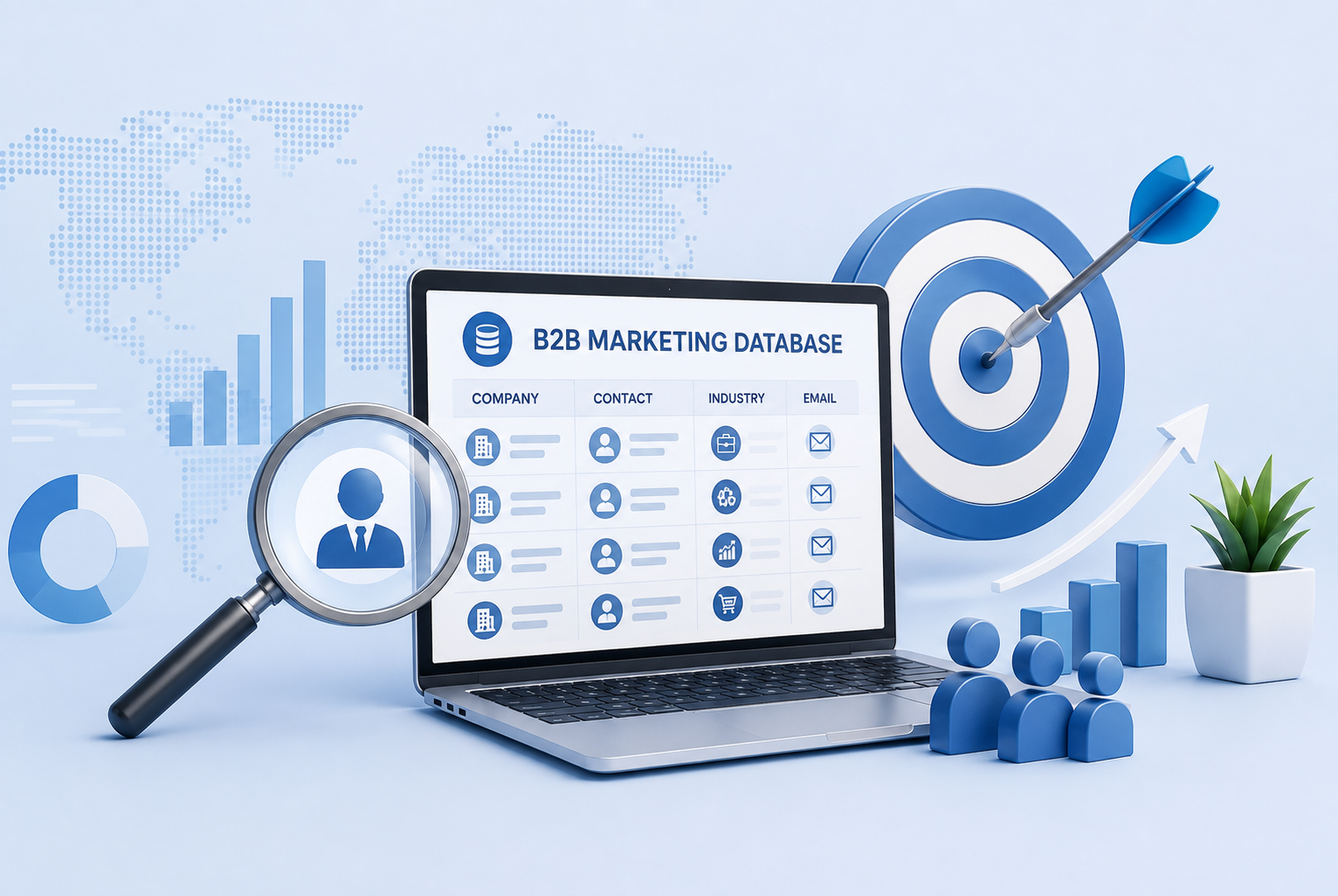
A long prospect list can make a sales pipeline look healthy. But if most of those companies are unlikely to need what you sell, th...
Read More