
How Canadian Businesses Can Find New B2B Customers
Finding new B2B customers is rarely a single activity. It usually combines a clear sense of who you are trying to reach, a reliable way to find companies that match that profile, and a consistent process for turning prospects into actual customers. This guide walks through how Canadian businesses typically approach that process, from defining a target customer through building an ongoing acquisition pipeline, using methods that apply across most industries and company sizes.

This guide helps you build a high-quality B2B lead list in Canada by covering the full process of defining, building, and maintaining a lead list. Here, we focus specifically on the broader customer acquisition process that a lead list supports.
How can Canadian businesses find new B2B customers?
Businesses can use referrals, verified business databases, industry events, and targeted digital marketing to identify new prospects.
How do you identify the right B2B customers in Canada?
Define target companies by industry, company size, geography, and the decision makers involved in purchasing.
How can a Canadian business database help with prospecting?
A searchable database helps sales teams filter companies and contacts by criteria such as industry, size, geography, and role.
Why is accurate business data important for B2B prospecting?
Current business data helps sales teams reach relevant companies and decision makers while reducing time spent working with outdated contact information.
Start With a Clear Definition of Your Target Customer
Before looking for new customers, define exactly who you are looking for, since this shapes every method that follows.
Industry, Size, and Geography
Most Canadian businesses find it useful to define target customers using a combination of industry classification, company size, and geography. NAICS and SIC codes provide a consistent way to define industry in Canada, while company size and geography narrow that definition further to match your actual capacity and service area.
The Buyer Within the Company
Beyond the company itself, define who within that company is likely to make or influence the purchase decision. A well-defined target company profile is only half the picture without an equally clear sense of the role or roles you need to reach.
Where Canadian Businesses Typically Look for New Customers
Once you define your target customer, several common channels can help you find companies and contacts that match.
Referrals and Existing Relationships
Referrals from current customers, partners, or industry contacts remain one of the most consistent sources of new business for many Canadian companies. A referred prospect often arrives with some existing trust, which can shorten the sales cycle compared to a cold introduction.
A Business Database Search
A searchable business database lets you find prospects matching your target profile directly, rather than waiting for a referral or a chance encounter at an event. Our database covers more than 900,000 Canadian companies and 6.1 million executive contacts, searchable using more than 40 filters including industry, company size, revenue range, and geography, and verified on a quarterly basis. This approach works well when you need to generate a consistent volume of new prospects rather than relying solely on opportunistic sources.
Read more on How AI Can Help Sales Teams Find Better Prospects.
Industry Associations and Events
Trade associations and industry events bring together companies within a specific sector, often making it easy to identify and meet decision-makers face-to-face. This channel tends to work best for tightly defined industries where the relevant associations and events are well established.
Content and Digital Visibility
Publishing useful content related to your industry, whether through a website, articles, or social channels, can attract prospects who are actively researching a solution. This tends to work over a longer timeframe than direct outreach, but it can generate inbound interest from companies you might not have identified through a database search alone.
Ready to search for companies matching your target profile directly? Whether you need to find Canadian manufacturing companies or any other B2B lead, our Canadian business database lets you filter by industry, size, geography, and role before exporting a single contact.
Turning a Prospect List Into New Customers
Finding potential customers is only the first step. Converting that list into actual business depends on what happens next.
Qualifying Before You Reach Out
Not every company on a prospect list is equally ready to buy. Reviewing a list against your full target customer definition, not just the filters used to generate it, helps prioritize which prospects are worth reaching out to first.
Personalizing Outreach at Scale
Generic outreach tends to underperform, even when sent to a well-qualified list. Referencing something specific about a prospect’s industry, size, or role, even briefly, tends to produce better engagement than a fully generic message sent to an entire list at once.
Following a Defined Follow-Up Process
Many potential customers do not respond to a first outreach attempt, so a defined follow-up process matters. Deciding in advance how many follow-ups to send, over what timeframe, and through which channels keeps outreach consistent rather than dependent on individual memory or ad hoc decisions.
Keeping Your Customer Acquisition Pipeline Consistent
New customer acquisition works best as an ongoing process rather than a periodic push whenever business slows down.
Treating Prospecting as a Recurring Activity
Businesses that treat prospecting as a recurring, scheduled activity, rather than something to ramp up only when the pipeline is empty, tend to maintain steadier growth. This often means setting aside consistent time each week or month for list building and outreach, rather than concentrating it into occasional bursts.
Keeping Your Data Current
A prospecting process is only as reliable as the data behind it. Contact details change constantly as people change roles and companies relocate or restructure. We verify our database quarterly, so the data feeding a subscriber’s prospecting activity is refreshed four times a year rather than left static between larger updates.
Reviewing What Is Actually Working
Periodically reviewing which channels and lists produce the most qualified conversations helps refine where you spend prospecting time going forward, rather than splitting effort evenly across channels regardless of results.
Looking to build a consistent, Canada-specific prospecting process? Start a free trial to test our filtering and search process directly, or contact Scott’s Directories for more detail on list building and maintenance.

For 1st Time Customers Only. A specialist will set up your access within one business day.
By submitting, you agree to be contacted by Scott's Directories about your trial.



Finding the right company is only the first step in B2B prospecting. The next challenge is often harder: figuring out who inside t...
Read More
Sales teams have access to more technology than ever. AI tools can summarize account research, organize information, help identify...
Read More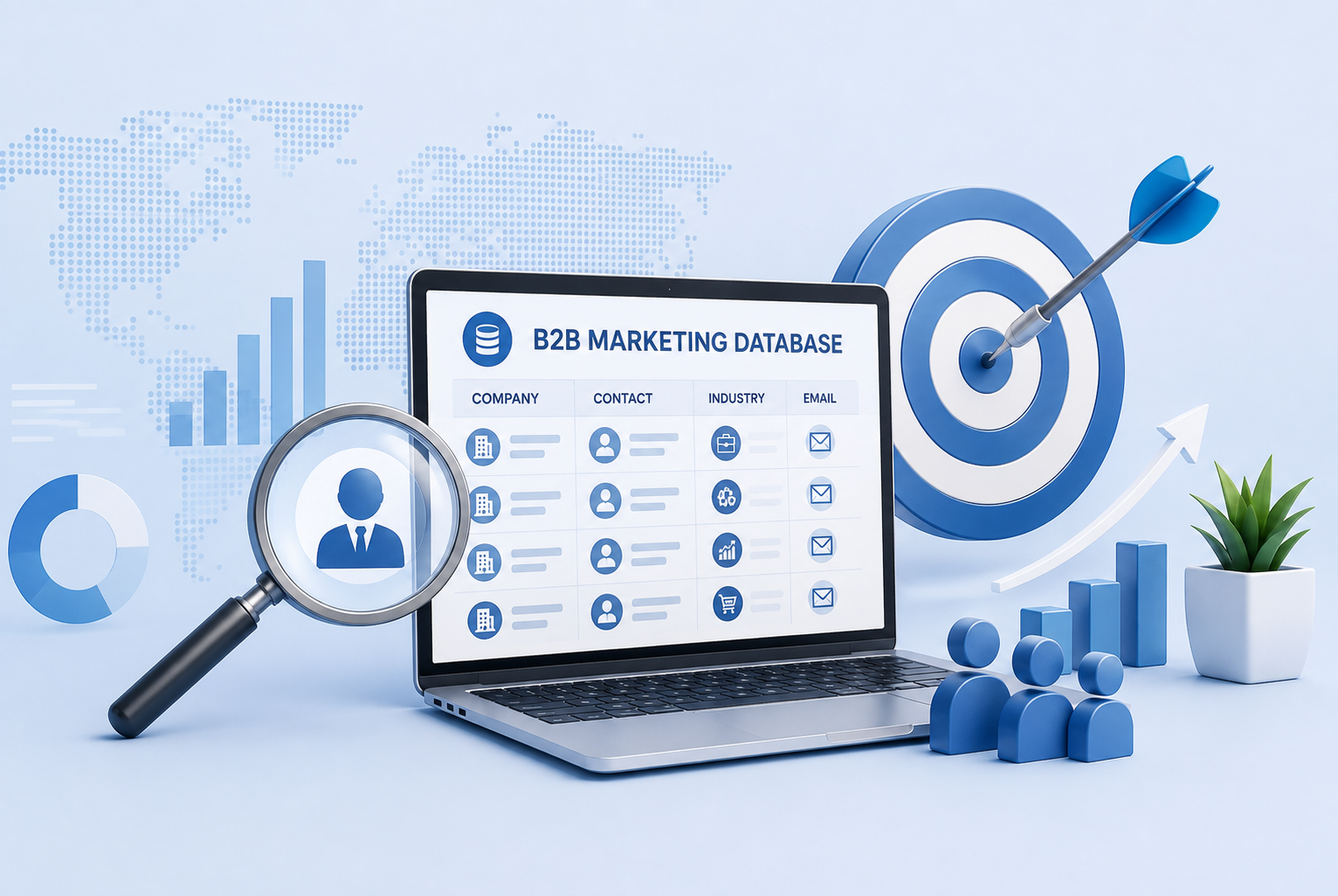
A long prospect list can make a sales pipeline look healthy. But if most of those companies are unlikely to need what you sell, th...
Read More